What to Expect at an Outdoor Photography Session in a Yarra Valley Park
An outdoor photo session can feel relaxed and natural, but it still helps to know what will happen before the camera comes out. Parks in the Yarra Valley offer soft light, open space, gum trees, walking tracks, river edges and seasonal colour, which makes them a beautiful setting for portraits, family photos, maternity sessions and couple shoots.
The best sessions feel easy. There is room to move, time to settle, and enough gentle direction that nobody has to wonder what to do with their hands. A little preparation goes a long way, especially when working with changing weather, children, pets or late-afternoon light.
Here is what to expect before, during and after an outdoor photography session in a Yarra Valley park.

The session usually starts before you arrive
A good outdoor session begins with planning. The photographer will usually confirm the location, meeting point, time of day and any details that might affect the shoot.
In the Yarra Valley, light and weather matter. The region can shift from bright sun to cool shade quickly, especially in parks with tall trees or open fields. Morning and late afternoon are popular because the light is softer and more flattering. Midday can still work, but it may mean finding shade to avoid harsh shadows and squinting.
Before the session, expect to talk through a few practical details:
Who will be photographed
The style of images you want
Any must-have combinations, such as grandparents with grandchildren
Mobility needs or pram access
Whether pets are joining
Outfit choices
Backup plans for rain, wind or extreme heat
If the session is for a family, the photographer may ask about children’s ages and personalities. This helps them choose poses, games and locations that suit the group. A shy toddler, energetic preschooler and older teen will all need a different approach.
For couples or maternity sessions, the planning may focus more on mood, comfort and movement. Some people want soft, quiet images. Others want playful photos with walking, laughing and interaction. Both work beautifully in a park setting.
The goal is not to script every minute. It is to remove uncertainty so the session can feel natural once everyone arrives.
Choosing the right park setting makes a difference
Not every part of a park photographs the same way. A good photographer will look for light first, then background, then space to move.
In a Yarra Valley park, that might mean starting near a line of gum trees, then moving towards an open grassy area as the sun drops. It could mean using a bridge, walking track, timber fence, riverbank or patch of long grass as a simple background. The best spots often look ordinary at first, but photograph beautifully because the light is clean and the background is uncluttered.
A park session may include a mix of:
Wide shots with hills, trees or open fields
Closer portraits with soft greenery behind the subject
Walking photos along a track or path
Sitting photos on a rug, log or low stone wall
Playful images with children running, cuddling or being lifted
Quiet images under trees or near water
Photographers often avoid busy playgrounds, bins, car parks, signs and high-traffic paths unless those elements suit the story. The aim is to create images that feel connected to the place without letting the background take over.
If the park is popular, the photographer may choose a quieter corner or angle the camera to keep other visitors out of frame. Most sessions do not need complete privacy, just enough space for people to relax.
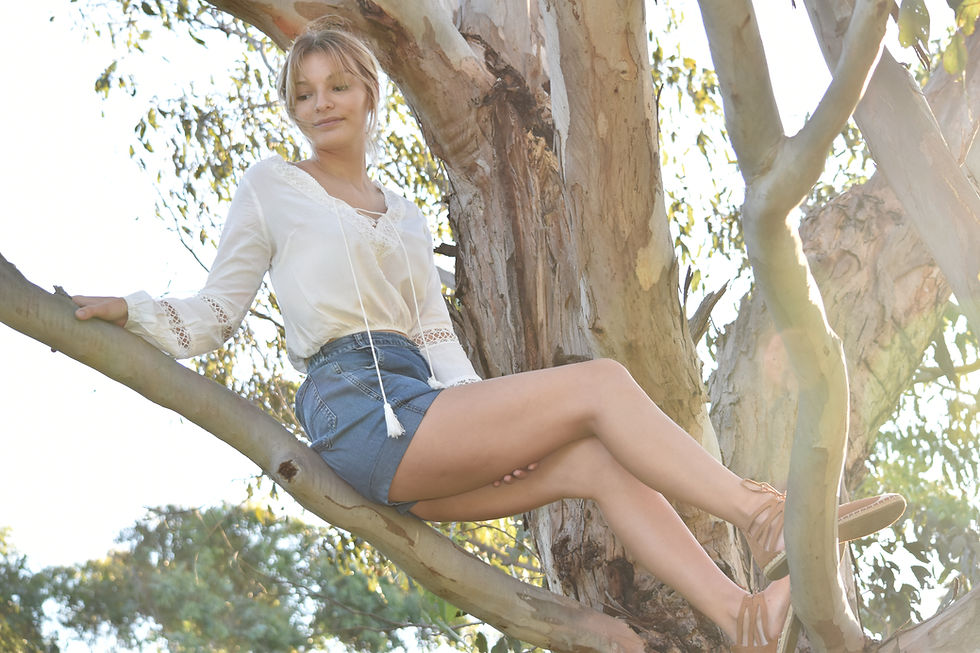
What to wear for outdoor park photos
Clothing does not need to be fancy. In fact, outdoor park photos often look best when outfits feel comfortable, simple and true to everyday life.
Soft colours usually work well in the Yarra Valley’s natural settings. Think cream, oatmeal, sage, dusty blue, rust, soft pink, denim, warm brown or muted green. These colours sit well against grass, trees, bark and golden light.
Try to avoid clothing that pulls too much attention from faces, such as:
Large logos
Neon colours
Busy clashing patterns
Very thin stripes
Clothing that needs constant adjusting
Shoes that are difficult to walk in on grass
This does not mean everyone has to match. Coordinating is usually better than dressing identically. For example, one person might wear a floral dress with soft colours, while others pick simple pieces from that colour range. That gives the photos variety without looking chaotic.
For families, lay all outfits on a bed before the session. If one item jumps out for the wrong reason, swap it. If everything feels too plain, add texture through knitwear, linen, corduroy, denim, cotton or layers.
For maternity photos, comfort matters. A dress or outfit that allows easy movement can help with sitting, walking and gentle posing. For couples, choose clothing that feels like the best version of what would normally be worn, not something that creates stiffness.
Footwear deserves attention. Parks can have damp grass, uneven paths and muddy patches after rain. Bare feet can look lovely in some settings, but bring practical shoes for walking between spots.
The first ten minutes are about settling in
Many people feel a bit awkward at the start of a photo session. That is normal. Most photographers expect it and will not begin with the most important portraits straight away.
The first few minutes often involve chatting, walking to the first location, helping children get comfortable and taking some easy warm-up photos. This gives everyone time to adjust to the camera.
A photographer might begin with simple prompts such as:
Walk together and look at each other
Hold hands and follow the path
Sit close on the rug
Give someone a cuddle
Look at the youngest child rather than the camera
Take a slow breath and relax the shoulders
These small actions create natural expressions. They also give people something to do, which feels easier than standing still and smiling for a long time.
For children, the session may start with play. Running, exploring leaves, picking up sticks, cuddling a parent or playing a quiet game can help them relax. Children do not need to behave perfectly for the photos to be beautiful. Often, the little in-between moments become the favourites.
If someone needs a break, that is fine. Outdoor sessions leave room for snacks, water, cuddles and resets.

You will get more direction than you might expect
A common worry is, “We do not know how to pose.” The good news is that you do not need to.
During an outdoor photography session, the photographer will guide where to stand, sit, walk or look. The direction should feel clear but not rigid. Good posing is less about holding a perfect shape and more about creating connection, comfort and flattering light.
For family sessions, the photographer may move people closer together, adjust where hands sit, ask parents to hold children in a certain way, or shift the group slightly so faces catch the light. These small adjustments make a big difference.
For couples, prompts might include walking slowly, leaning in, holding hands, sharing a quiet moment or moving forehead to forehead. The goal is to create genuine interaction rather than forced smiles.
For individual portraits, direction may include posture, chin angle, hand placement and where to look. If the person feels nervous, the photographer might use movement to reduce stiffness, such as walking, turning slightly or brushing hair away from the face.
Expect a mix of posed and candid images. A typical park session may include:
Guided portraits
Everyone looking at the camera, useful for frames, gifts and family updates.
Small groupings
Parents with children, siblings together, couple portraits or individual images.
Natural moments
Walking, laughing, cuddling, playing and interacting with the setting.
Environmental photos
Wider images that show the park, trees, light and season.
The best galleries usually include all of these. That gives variety without making the session feel rushed.
Weather is part of the experience
Outdoor photography depends on the weather, but perfect weather is not always needed. Cloudy skies can produce soft, even light. A little wind can add movement to hair and clothing. Cool weather can make cuddly photos feel natural.
That said, some conditions are harder to work with. Heavy rain, strong wind, storms, extreme heat or unsafe ground may call for rescheduling. Most photographers will keep an eye on the forecast and make a decision close to the session time, since Melbourne and regional Victorian weather can change quickly.
If the forecast looks uncertain, bring layers. A cardigan, coat or wrap can be useful between photos, especially for young children. In warmer months, bring water and avoid clothing that becomes uncomfortable in the heat.
After rain, parks can be fresh and beautiful, but grass may be wet. A waterproof picnic rug or neutral blanket can help with seated photos. Shoes that can handle damp ground are also wise.
The light matters as much as the forecast. On a bright day, the photographer may position people in open shade. In the late afternoon, they may use backlight so the sun glows behind the subject. If the sky is overcast, there may be more flexibility with direction and location.
Good outdoor photography works with the conditions rather than fighting them.
Children and pets do not need to be perfectly behaved
If children are part of the session, expect movement. Parks are exciting places, and children usually want to explore. That can be a strength, not a problem.
A relaxed photographer will build the session around a child’s energy. Some children want to run first, then cuddle. Others need time to stay close to a parent before joining in. Babies may need feeding, changing or soothing. Toddlers may need snacks or a short break.
The best preparation is simple:
Bring water and tidy snacks
Pack wipes
Keep a spare outfit for young children
Avoid scheduling too close to nap time where possible
Bring a favourite blanket or small comfort item
Let the photographer lead rather than asking children to smile again and again
Bribes can work for some children, but they can also become the main focus. It is often better to keep the mood light and let the photographer use games, movement and connection.
Pets can also join many outdoor sessions, depending on park rules. Dogs should be on lead where required, and it helps to bring treats, water and waste bags. A simple lead photographs better than a bright retractable one. If the dog is very energetic, the photographer may start with pet-inclusive photos first, then have someone take the dog for a short walk while the rest of the session continues.

The session will move through a gentle flow
Most outdoor sessions follow a loose rhythm rather than a strict schedule. This keeps things flexible and helps the gallery feel varied.
A typical flow might look like this:
Arrival and warm-up
The photographer meets everyone, checks outfits and starts with easy movement or seated photos.
Group portraits
These are often done early, while everyone is fresh. For families, this might include the full group looking at the camera.
Smaller combinations
The session may move through parents with children, siblings, couples, individual portraits and any special requests.
Movement and candid moments
Walking, playing, cuddling and exploring help create relaxed images.
Final light
If the session is near sunset, the last few minutes may use the warmest light. This is often a lovely time for quiet portraits.
The exact order can change. If a toddler is happy at the start, the photographer may capture their portraits first. If the light is glowing in one direction, the session may move quickly to use it before it changes.
Outdoor sessions suit this flexible style because parks offer space and variety. A few metres can completely change the background, from open grass to shaded trees or a winding path.
What happens after the session
Once the session ends, the photographer will sort through the images, choose the strongest frames and edit them. Editing usually includes colour, exposure, contrast, cropping and light retouching. The aim is to make the images look polished while still feeling natural.
The delivery process varies. Some photographers send a preview first, while others deliver the full gallery at once. The final gallery may be shared through an online viewing link where images can be downloaded, selected or ordered as prints.
When viewing the gallery, look beyond the classic smiling photos. The quieter images often grow in meaning over time: a child’s hand in yours, wind catching hair, a laugh between poses, or the way the light sat on the trees that afternoon.
If prints, albums or wall art are offered, ask for guidance on size and format. Outdoor park images often print beautifully because they include soft colour and natural texture. A series of three or four images can work well together, especially when the session includes a mix of close portraits and wider park scenes.
A calm session creates better photos
An outdoor park session in the Yarra Valley is not about standing still and smiling for an hour. It is a gentle mix of planning, movement, guidance and real connection. The setting does some of the work, with soft grass, tall trees, open sky and changing light adding depth to the images.
Arrive with comfortable clothes, a little flexibility and realistic expectations. Children may run. The wind may lift someone’s hair. Shoes might get damp. The best photos often come from those honest moments.
A good session leaves space for both the portrait everyone hopes for and the small details nobody could have planned. That is where outdoor photography shines.
Comments